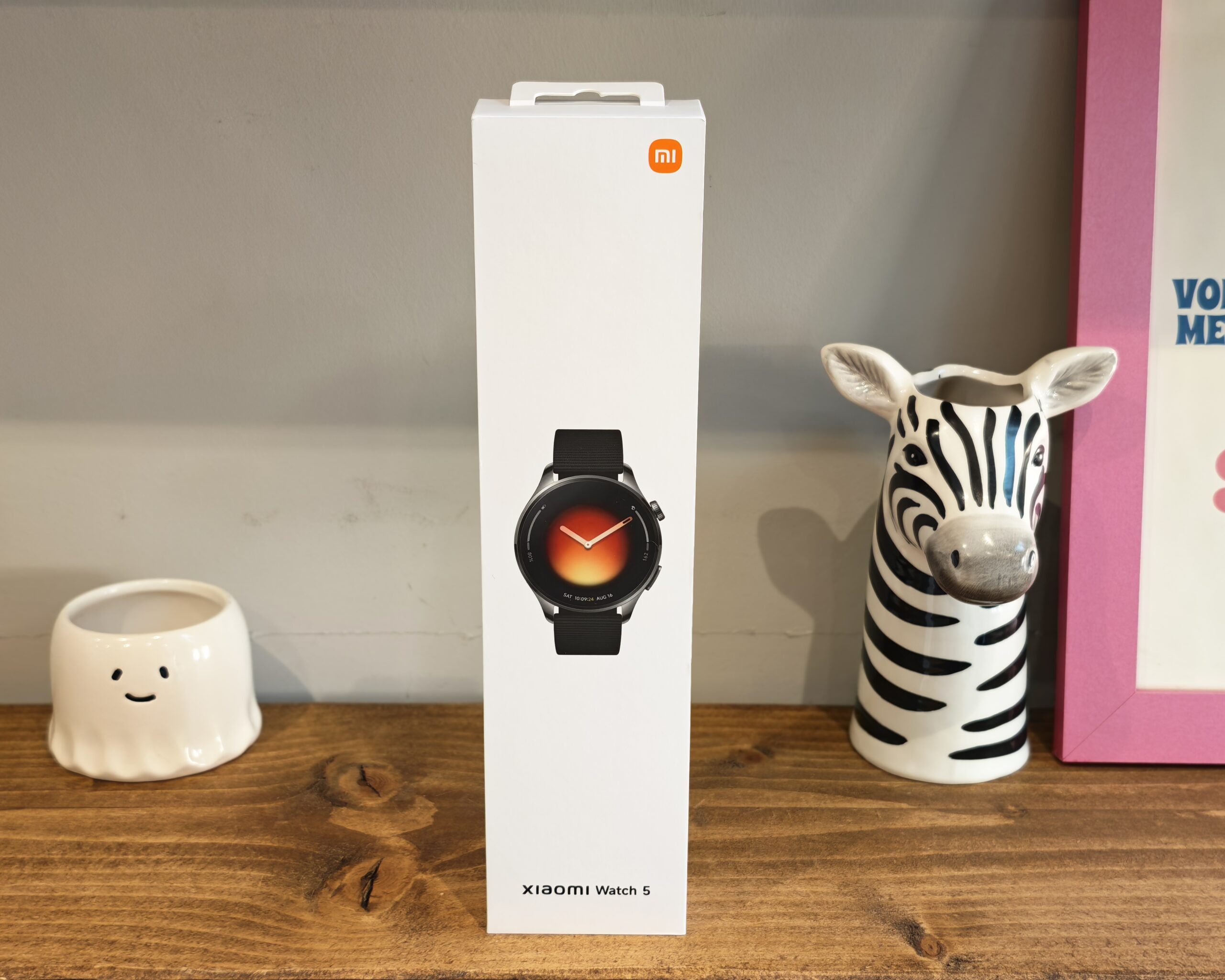
Xiaomi Watch 5 Review vs OnePlus Watch 3
In the past, I have reviewed quite a few of the Xiaomi watches and bands, but I these have all been the more basic watches running HyperOS.
Xiaomi have released WearOS watches before, but I haven’t had the chance to review one until now with the Xiaomi Watch 5.
The OnePlus Watch 3 was the first WearOS watch I loved, thanks to its incredible battery life. I am pleased to see that the Xiaomi Watch 5 is another WearOS watch that can achieve multi-day usage, with me seeing around 6 days of battery life.
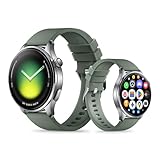
- Premium materials with a 1.54 inch large display: A large screen paired with an ultra-slim 2.6 mm bezel delivers a high screen-to-body ratio of 78.28%, making messages easy to view at a glance. The dual-sided sapphire design combined with stainless-steel body creates a refined, high-end look that’s both durable and resistant to drops.
- 6 days Ultra-long battery life to ease power anxiety: A large-capacity battery combined with a dual-chip architecture provides up to 6 days of battery life in Smart Mode and up to 18 days in Power-Saving Mode.
- One-tap health check: A 60-second one-tap health check evaluates six key indicators—heart rate, blood oxygen, stress level, sleep duration, sleep heart rate, and sleep blood oxygen—to provide insights into your overall health status.
- 150+ sport modes: Supports over 150 sport modes, with 5ATM water resistance for tracking underwater activities. Full-color offline maps can be downloaded and transferred to the watch via Wi-Fi/Bluetooth, enabling route navigation, trackback, and off-route alerts—so you can explore outdoors confidently even without mobile signal.
- Powered by Google Wear OS: Seamlessly connects with Android phones and supports gesture activation for Google Gemini. You can access Google Wallet, Maps, Calendar, and more, and download additional third-party apps and watch face directly from the official Google Play Store.

Related Reviews
- Amazfit T-Rex 3 Multi-Sport Smart Watch Review
- Xiaomi Watch S3 Smartwatch Review
- OnePlus Watch Lite Review
- OnePlus Watch 3 43 mm Review
- Xiaomi Watch S4 41mm Review
Specification
| Display | 1.54-inch AMOLED |
| Resolution | 480 x 480 pixels (312 PPI) |
| Brightness | Up to 1500 nits |
| Dimensions | 47 x 47 x 12.3 mm |
| Weight | 56 g (without strap) |
| Strap Size | 135-205 mm |
| Strap Material | Fluororubber |
| Battery Capacity | 930 mAh (silicon-carbon) |
| Charging Type | Magnetic (pogo pin) |
| Charging Time | Approx. 90 minutes |
| Battery Life (Smart Mode) | Up to 6 days |
| Battery Life (AOD Smart Mode) | Up to 4 days |
| Battery Life (Power Saving) | Up to 18 days |
| Processor (Primary) | Qualcomm Snapdragon W5 Gen 1 (4 nm) |
| Processor (Secondary) | BES2800 Low-Power Processor (6 nm) |
| RAM / Storage | 2 GB RAM / 32 GB storage |
| Operating System | Google Wear OS 6 / Xiaomi Vela OS |
| Wi-Fi | 2.4 GHz |
| Bluetooth | Bluetooth 5.4 / BLE |
| GNSS | GPS (L1+L5), Galileo, GLONASS, BeiDou, QZSS |
| Water Resistance | 5 ATM (50 m) |
| Speaker / Microphone | Yes / Yes |
| NFC | Yes (region dependent) |
| Sensors | PPG, Accelerometer, Gyroscope, Ambient Light, Compass, Barometer, EMG |
| Glass | Sapphire crystal (front and back) |
| Frame | 316L stainless steel |
| Colours | Black, Juniper Green |
Design
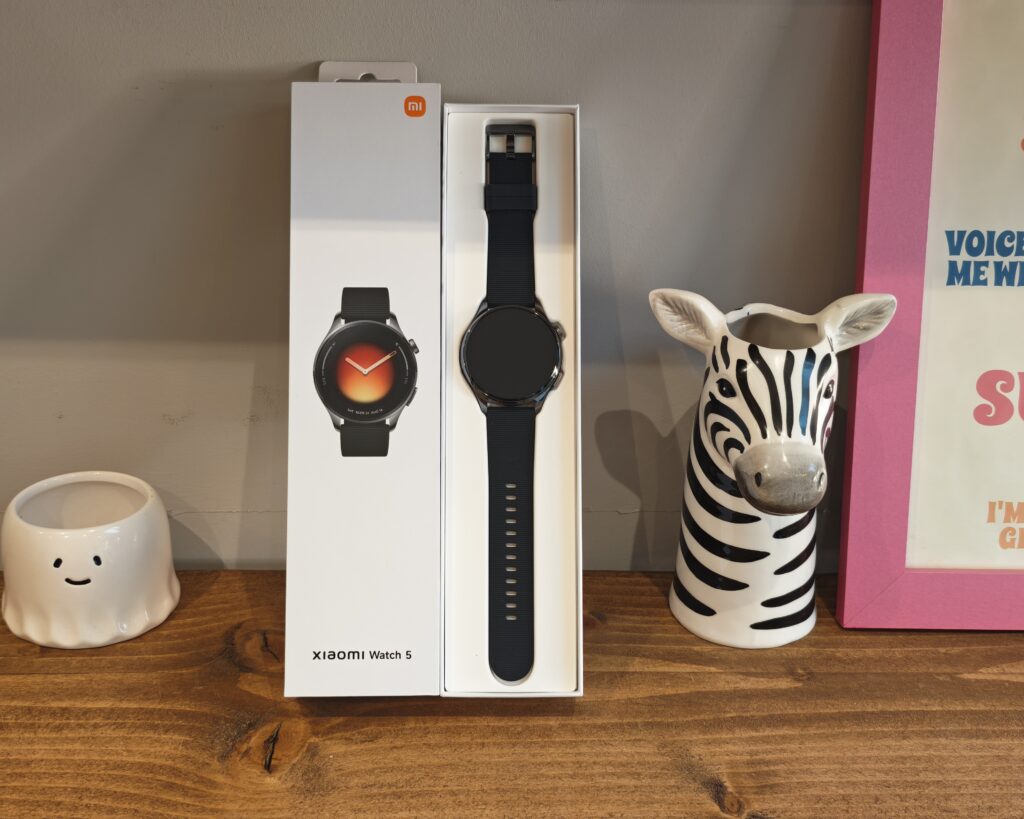
The Xiaomi Watch 5 takes a fairly traditional circular watch approach. The 47 mm stainless steel case uses 316L steel for the frame, and both the front and rear are covered with sapphire crystal glass, which is a welcome touch at this price point. The result is a watch that feels genuinely solid and premium in the hand.
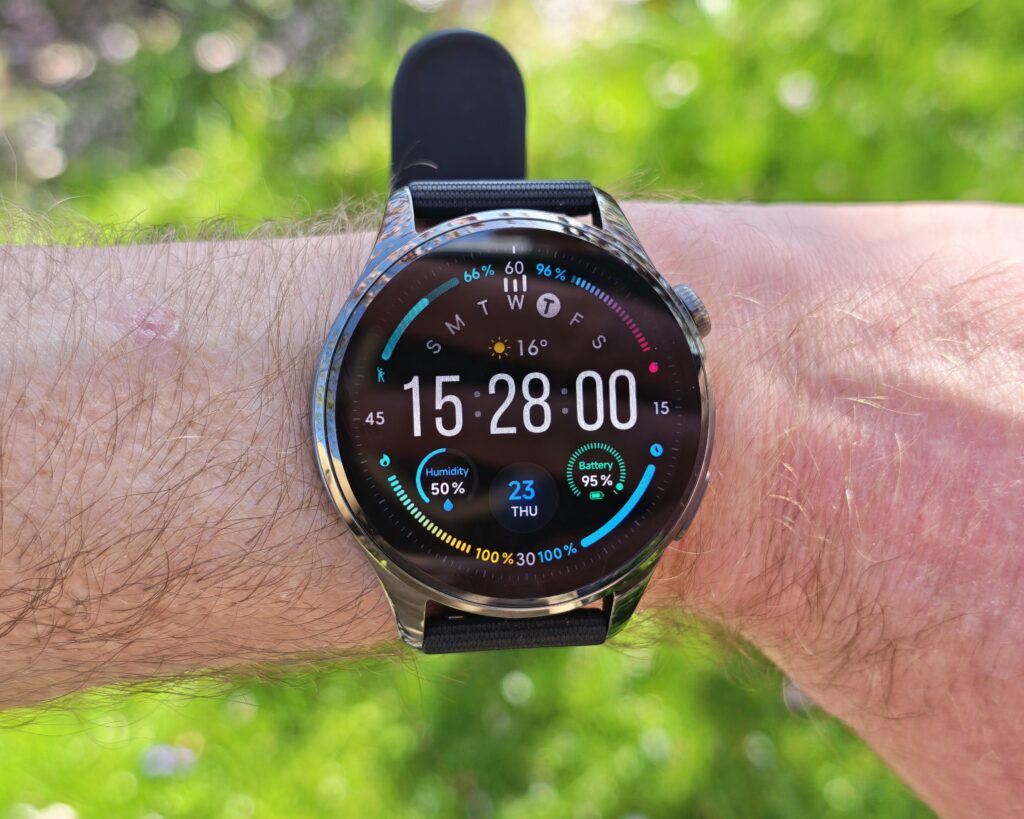
That said, the size is worth flagging. At 47 x 47 x 12.3 mm and 56 g without the strap, this is a substantial watch. Anyone coming from a smaller fitness band or even a slimmer smartwatch may take a while to adjust. It sits comfortably enough during the day, but it is noticeable. The rotating crown on the right side is nicely textured and clicks satisfyingly as you scroll, which makes navigating menus more intuitive than relying purely on the touchscreen. Below it is a second programmable button that defaults to launching the workout app.
The fluororubber strap uses a standard 22 mm lug width, which means swapping it out for a third-party or aftermarket band is straightforward. The included strap is comfortable enough, and the fitment range of 135-205 mm covers most wrist sizes.
One frustration is the charging solution. Xiaomi uses a two-pin magnetic pogo dock with a USB-A connector on the other end. There is no wireless charging, and the proprietary connector means you are adding yet another cable to your collection. The OnePlus Watch 3 uses a similar approach, but given how common USB-C is now, this feels like an unnecessary concession. The upside is that the charger is backwards compatible with older Xiaomi watches.
In terms of colourways, the Watch 5 is available in Black and Juniper Green. The green variant has a pleasant textured pattern on the strap, though it photographs as a slightly different shade depending on the light.
Set Up
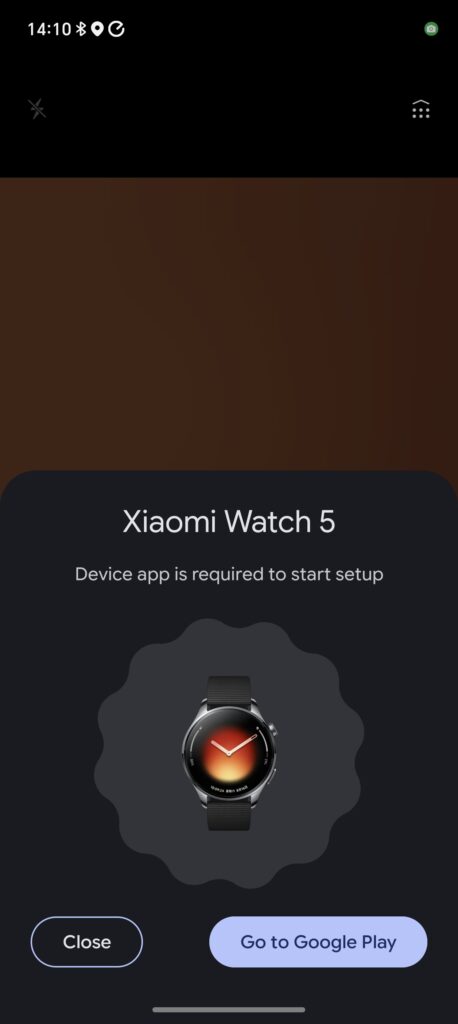
Setup is done through Xiaomi’s Mi Fitness app, which you pair alongside your Google account. The process is fairly straightforward, though you will need to work through a fairly long list of permissions before the watch is fully operational. It pairs with Android only – there is no iOS support, which is an inherent WearOS limitation rather than something specific to Xiaomi.
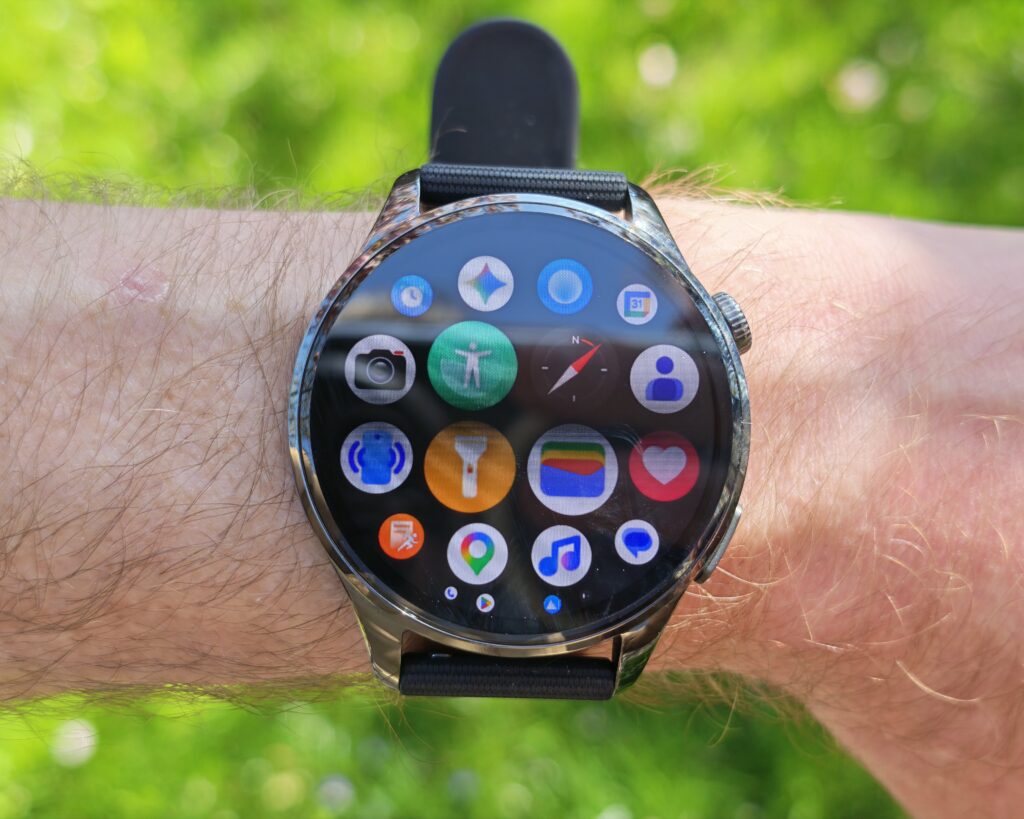
Once paired, the experience is generally smooth. The watch runs Wear OS 6 with Xiaomi’s Hyper OS layer on top, and Google’s Material 3 Expressive design update brings improved colour theming and better touch optimisation. Setting up Google Wallet for NFC payments adds another step, but it works reliably once configured.
Mi Fitness App
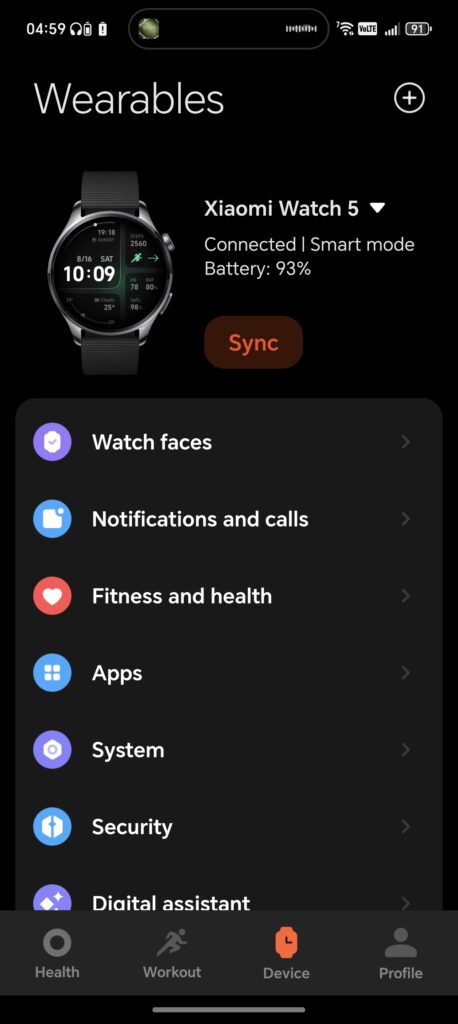
The Mi Fitness app has come a long way. Earlier versions of the app felt clunky and poorly organised, but the version shipping with the Watch 5 is noticeably cleaner. Key metrics – steps, heart rate, sleep, workouts – are all presented clearly from the main dashboard, and drilling deeper into historical data is straightforward. The app also supports exporting to Strava and other third-party services, which is useful if you prefer to consolidate your data elsewhere.
It is not as comprehensive as Garmin Connect, and the analysis tools are comparatively basic. For the majority of users who want to track their activity and health data without getting into the weeds, it does the job well enough. For more advanced analysis, you will be relying on a connected app like Strava.
WearOS / Smart Watch Features / Notifications
WearOS remains the most versatile operating system available on a smartwatch, and the Watch 5 benefits from that fully. Access to the Play Store means you can install apps including Google Maps, Spotify, and Google Home. Notifications are delivered reliably and can be actioned from the watch without touching your phone.
The Xiaomi Watch 5 uses the same dual-processor approach as the OnePlus Watch 3 – a Qualcomm Snapdragon W5 Gen 1 handling the heavier Wear OS tasks, paired with a BES2800 co-processor that takes over during low-intensity background work. This is what enables the extended battery life. When you switch to Power Saving mode, Wear OS shuts down entirely and Xiaomi’s own Vela OS takes over, providing basic health tracking, notifications via Bluetooth, and a stripped-back interface.
The Watch 5 is similar to the OnePlus in this respect, but there is one key difference. The OnePlus Watch 3 appears to enter a low-power RTOS mode during sleep automatically, which is a significant contributor to its battery lead. The Xiaomi does not appear to do this. Switching between Smart mode and Power Saving mode on the Watch 5 requires the watch to reboot, which takes a couple of minutes and is disruptive if you are switching modes regularly.
One genuinely interesting addition here is the EMG sensor, which detects muscle activity and nerve signals from the fingers. This enables gesture-based controls – pinching your index finger and thumb, snapping fingers, or rotating your wrist can be mapped to dismiss notifications, answer calls, take photos on your paired phone, or launch any app. In practice, results are mixed. The gestures need to be performed with your hand roughly parallel to your chest, and detection is inconsistent enough that you will not rely on it as your primary input method. It is more of a novelty than a practical daily feature, though it does work in scenarios like cycling where you cannot easily reach the touchscreen.
The speaker and microphone are adequate. Calls are clear enough in quiet environments, though the speaker does struggle in noisier settings – which is fairly typical for a watch speaker.
There is no eSIM support on the UK variant, so you will need your phone nearby for most functions. An eSIM version does exist in some markets.
Fitness Tracking / Running / Walking / Cycling
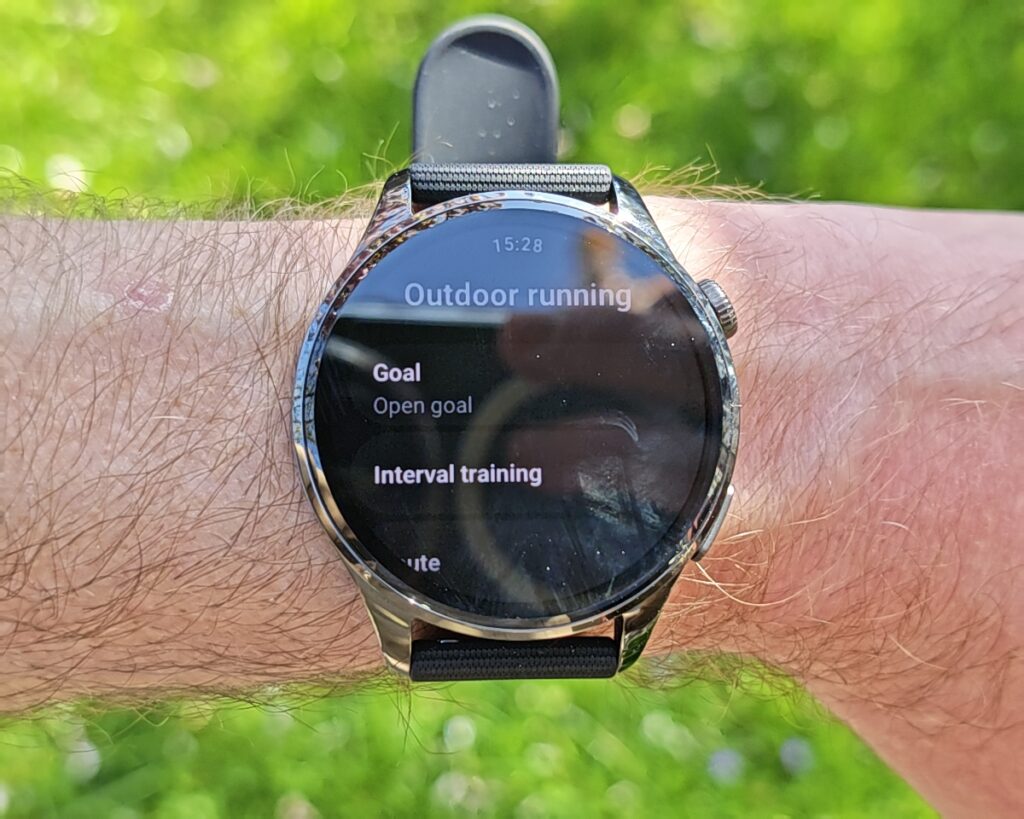
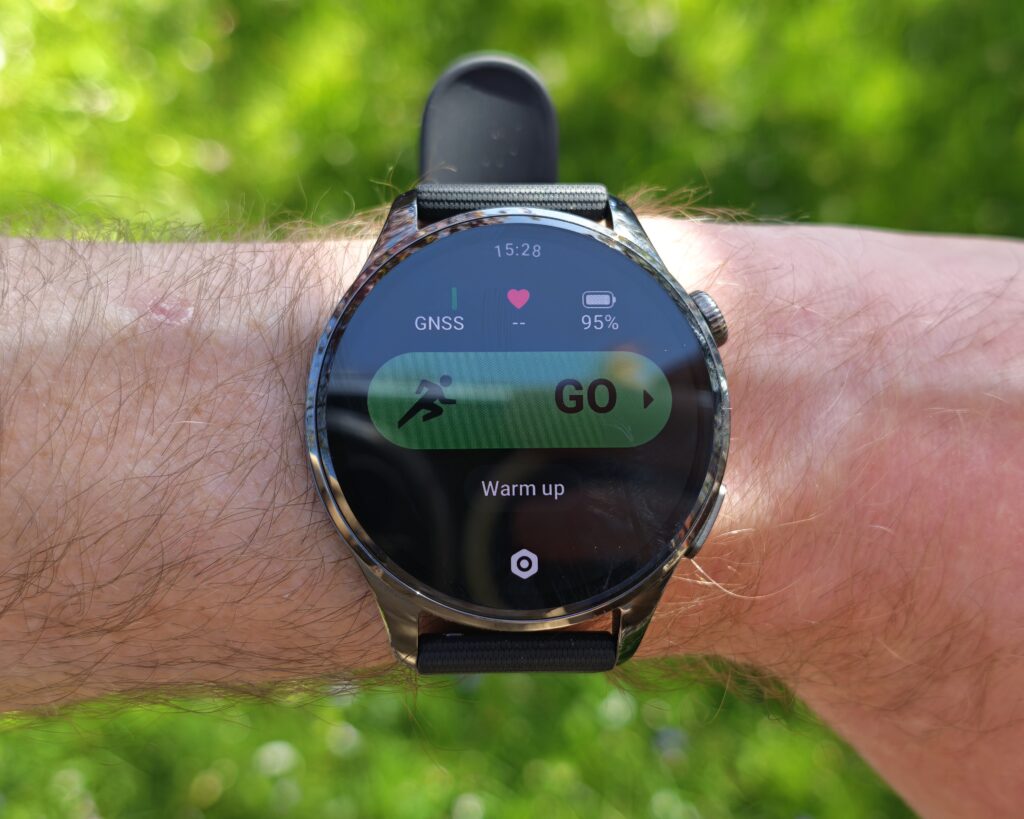
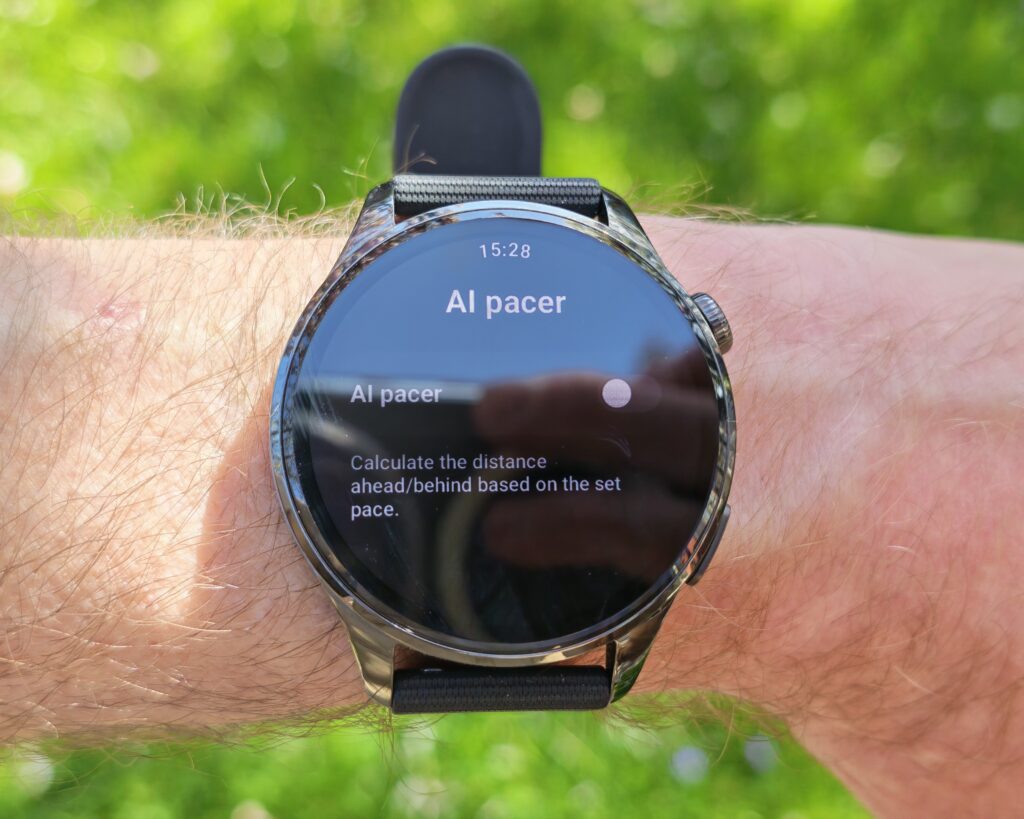
I am a keen runner and also walk and cycle a lot, so tracking fitness is important. Most smartwatches provide reasonable data now, and Xiaomi has supported exporting to Strava and other third-party apps for quite a while. The Watch 5 supports over 150 sport modes, dual-frequency GPS using both L1 and L5 bands, and a full sensor suite covering heart rate, barometric altitude, steps, and more.
The main limitation I have with the Watch 5, and WearOS watches in general, is the lack of support for external sensors. In particular, I find wrist-based heart rate sensors highly inaccurate in a lot of scenarios, and there is no way to pair an external chest strap or optical sensor.
With this watch, I found the heart rate readings highly inaccurate while wearing it in the gym in a normal position with a relatively tight fit. It would consistently read extremely high readings. Using my Garmin Epix Gen 2 in the same way, I got consistently lower and more believable readings, so it is less an issue with the watch itself and more an issue with the ergonomics of the wrist position. I found that adjusting the Xiaomi as tightly as possible and rotating the watch around to my inner wrist, where there is less hair, produced much more accurate results.
GPS accuracy is good in open areas. In areas surrounded by tall buildings, you will see some drift – deviations of 10 to 15 metres are not unusual, and route traces occasionally wander slightly off the actual path. This is fairly standard behaviour for wrist-based GPS and not unique to the Watch 5. A 2-hour GPS workout consumed approximately 20 to 25% of the battery, which is reasonable.
The watch does not match a dedicated Garmin in terms of data depth or training analysis tools. It does not support features like Training Readiness, in-depth recovery metrics, or compatibility with external power meters for cycling. For serious athletes, a dedicated sports watch like the Garmin Epix Gen 2 remains a better choice. For the majority of people who want reliable tracking of their runs, walks, and rides without complexity, the Watch 5 is more than capable.
Health Tracking
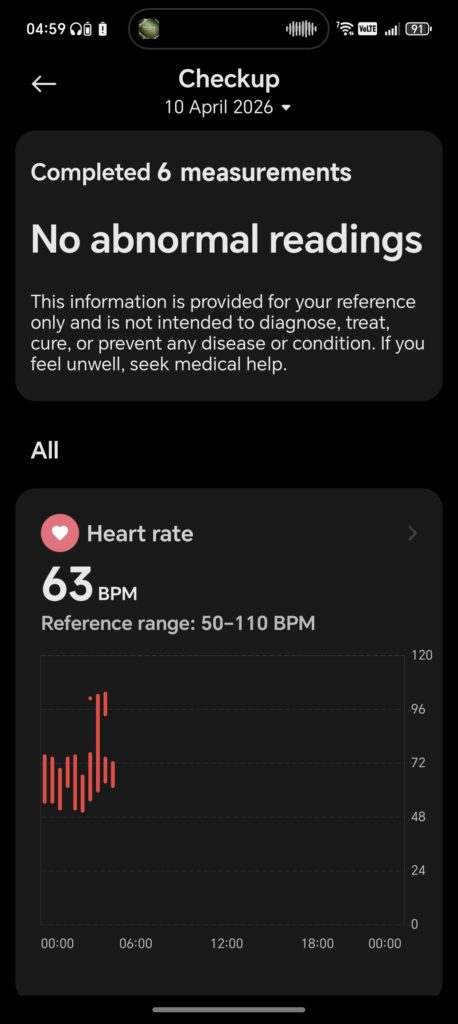
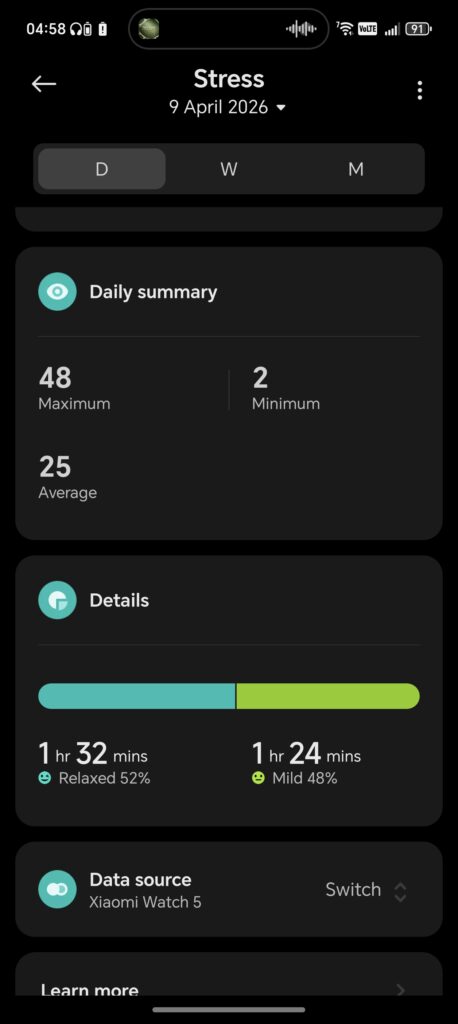
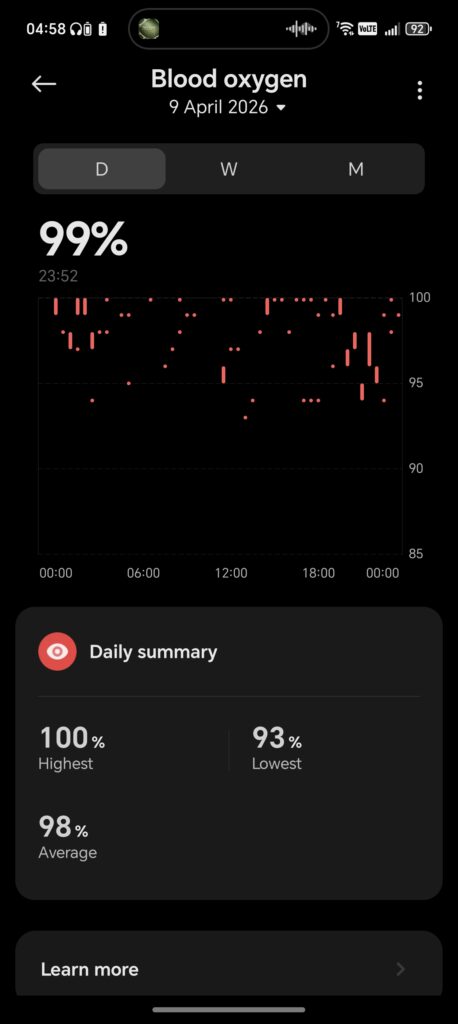
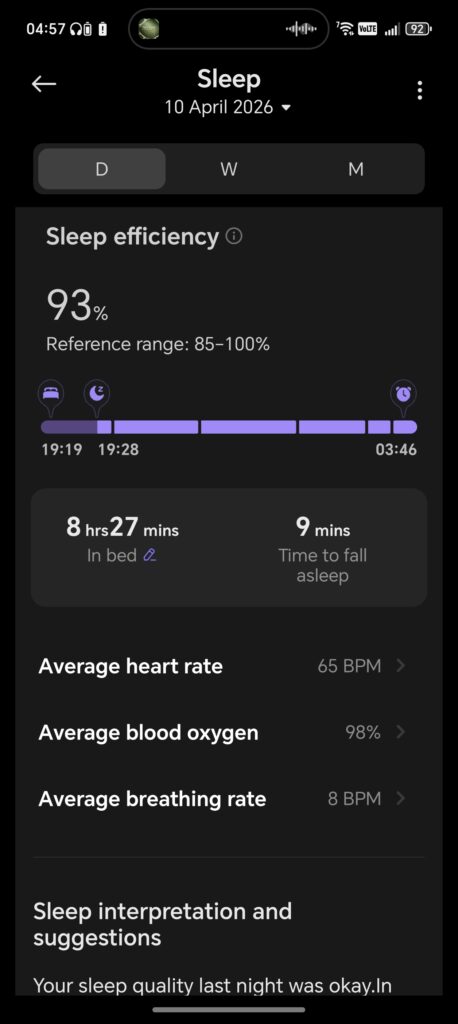
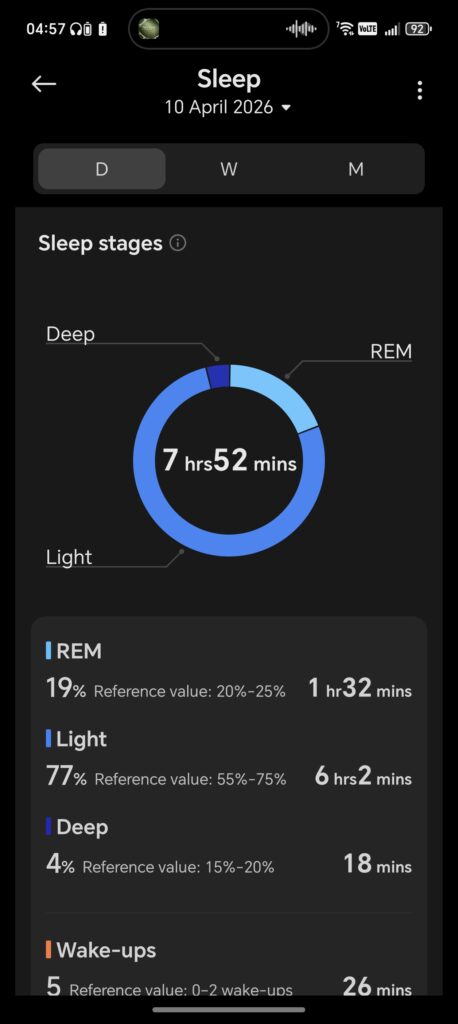
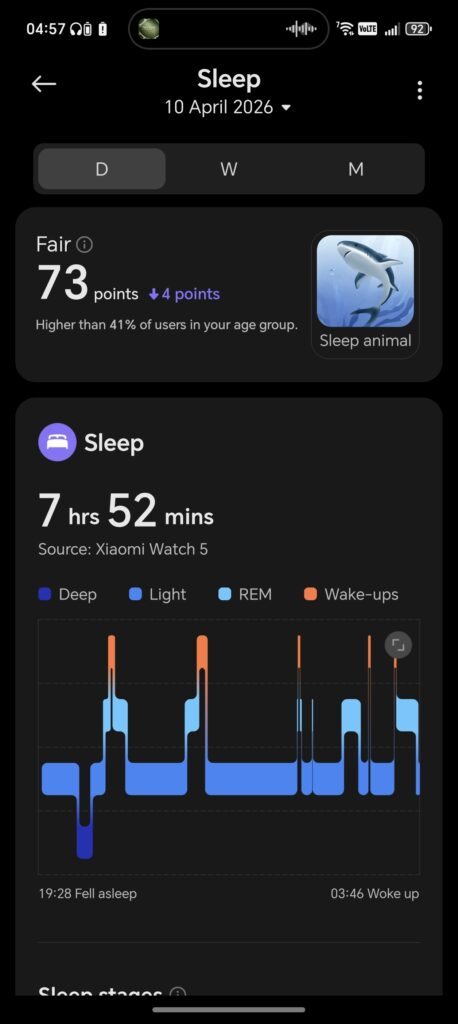
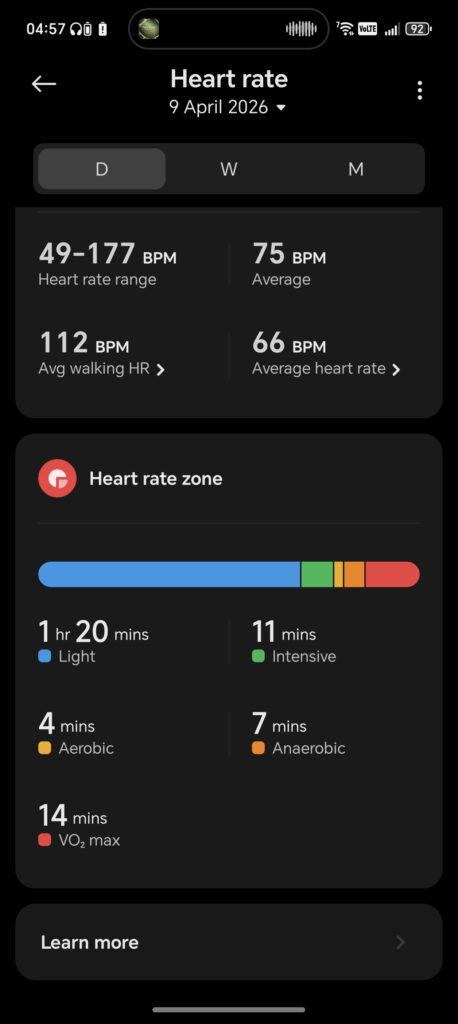
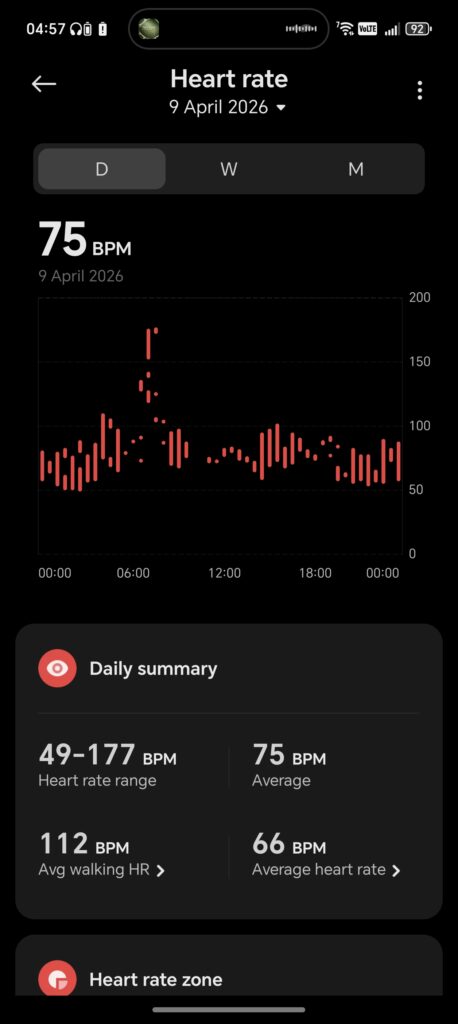
I have made comparisons to my Garmin Epix Gen 2. I have mainly done this to highlight the general differences between smartwatches. I find most health tracking to be quite inaccurate and subjective. It is good to give a glimpse into your state of health, but I would not treat the data as 100% accurate.
Sleep tracking offers an impressive amount of data – more detail than my Garmin Epix Gen 2 provides, and with broadly accurate sleep and wake-up times. It is difficult to assess how accurate the underlying data is. Xiaomi consistently reported fair quality sleep with scores around 70, while my Garmin reported poor quality sleep with scores in the high 50s. Subjectively, I would say reality is somewhere between the two. My sleep has been quite poor recently, with frequent waking, though I have not felt too bad during the day. I would recommend enabling the advanced sleep monitoring and respiratory rate tracking in the settings – they consume slightly more battery but produce noticeably more useful data.
Heart rate tracking provides a good amount of data, arguably more granular than what Garmin presents, though both watches report slightly different numbers. My Garmin has flagged higher than normal resting heart rate, which I attribute to poor sleep, but the Xiaomi reports what I would consider my normal resting heart rate. One thing I genuinely appreciate is that the Mi Fitness app reports average heart rate across the day, not just the lowest resting figure. I am prescribed Elvanse for ADHD, and an average daily reading gives me better insight into whether my heart rate is consistently elevated throughout the day, rather than just reflecting the low reading once the medication has worn off.
Blood oxygen monitoring is available and runs continuously, but I find it mostly pointless for healthy adults. My readings typically show an average of 98% with occasional dips to 93%. It can be useful for identifying a potential problem if you have not monitored blood oxygen previously, but I would not place too much weight on the figures.
Stress tracking is another metric that I treat with some scepticism. The two watches give wildly different readings – Xiaomi suggests I am quite relaxed, while Garmin consistently ranks me as highly stressed. Subjectively, I think the reality is somewhere in the middle. The Watch 5 also includes ECG capabilities and the EMG sensor, though ECG functionality availability depends on your region.
Battery Life
For any WearOS watch, battery life is the most important consideration. It makes or breaks the watch. Traditionally, WearOS watches could barely scrape through a day, requiring a charge every morning or overnight and sacrificing sleep tracking data in the process.
The OnePlus Watch 3 was the first WearOS watch I used that I genuinely loved, largely because its multi-day battery life made it practical as a daily driver. The Xiaomi Watch 5 follows the same path. With all health tracking features enabled, the watch drops around 15 to 20% per day, giving over five days of battery life in my real-world testing. I charged my Garmin at the same time as the Xiaomi and after a few days found the Xiaomi at 45% and the Garmin at 55%, which is a genuinely close comparison.
My testing showed that with Always On Display disabled and brightness set to auto, the drop over a full day of typical use including a short GPS workout was around 5%. Enabling AOD increases drain noticeably – with AOD on, expect 3 to 4 days of realistic use. With AOD off and lighter usage, pushing beyond 5 days is achievable.
I would say the battery life is slightly less than the OnePlus Watch 3. The most likely reason is that the OnePlus enters a low-power mode overnight automatically, whereas the Xiaomi does not. Xiaomi requires a full reboot when switching between Smart mode and Power Saving mode, which is a meaningful inconvenience compared to the OnePlus approach.
It is worth noting that some users on Reddit have reported battery drain closer to 40% per day. Heavy GPS and sports tracking use is the most plausible explanation, as GPS is by far the most battery-intensive workload. My Garmin Epix would also see elevated drain under similar conditions, so this is not necessarily an anomaly.
The 930 mAh silicon-carbon battery takes approximately 90 minutes to charge from flat. That is a reasonable figure, and the silicon-carbon chemistry allows a larger capacity to be packed into a smaller volume than traditional lithium-ion cells.
Price and Alternative Options
- Premium materials with a 1.54 inch large display: A large screen paired with an ultra-slim 2.6 mm bezel delivers a high screen-to-body ratio of 78.28%, making messages easy to view at a glance. The dual-sided sapphire design combined with stainless-steel body creates a refined, high-end look that’s both durable and resistant to drops.
- 6 days Ultra-long battery life to ease power anxiety: A large-capacity battery combined with a dual-chip architecture provides up to 6 days of battery life in Smart Mode and up to 18 days in Power-Saving Mode.
- One-tap health check: A 60-second one-tap health check evaluates six key indicators—heart rate, blood oxygen, stress level, sleep duration, sleep heart rate, and sleep blood oxygen—to provide insights into your overall health status.
- 150+ sport modes: Supports over 150 sport modes, with 5ATM water resistance for tracking underwater activities. Full-color offline maps can be downloaded and transferred to the watch via Wi-Fi/Bluetooth, enabling route navigation, trackback, and off-route alerts—so you can explore outdoors confidently even without mobile signal.
- Powered by Google Wear OS: Seamlessly connects with Android phones and supports gesture activation for Google Gemini. You can access Google Wallet, Maps, Calendar, and more, and download additional third-party apps and watch face directly from the official Google Play Store.
The Xiaomi Watch 5 has an RRP of £270 and is available from Mi.com and Amazon.
If you want basic smartwatch features and fitness tracking without the versatility of WearOS, the Xiaomi Watch S4 runs Xiaomi HyperOS 2 and is available for around £130. It is a reasonable option at that price, but the software ecosystem is considerably more limited.
The three-year-old Xiaomi Watch 2 Pro runs WearOS and is available for around £160. If budget is the priority and you can live with older hardware and a smaller battery, it remains an option, though the Watch 5 represents a meaningful step up in battery performance and build quality.
The OnePlus Watch 3 is the best alternative in my view. It was the first WearOS watch I used that I genuinely rated, largely because of its battery life. It has an RRP of £320 but is widely available on Amazon for around £200. At that price, it offers a more comprehensive feature set and slightly better battery performance than the Xiaomi, making it the stronger value proposition right now.
The Samsung Galaxy Watch 8 starts at £319. Samsung’s Wear OS implementation is polished, the Galaxy ecosystem integration is strong if you use Samsung phones, and the health platform is more mature. That said, battery life falls well short of what both the Xiaomi and OnePlus offer.
The Google Pixel Watch 4 starts at £349 for the 41 mm version and £399 for the 45 mm. Google’s own implementation of Wear OS is clean and fast, and Fitbit health tracking integration is a genuine differentiator. Again, battery life is a limiting factor.
Personally, between the comparable options, I would pick the OnePlus Watch 3 at its current Amazon pricing over the Xiaomi Watch 5 at full RRP.
Overall
The Xiaomi Watch 5 is a strong WearOS watch. The combination of a large silicon-carbon battery, dual-processor architecture, premium sapphire and stainless steel build, and a reasonably mature software experience makes it one of the better options in the WearOS space.
That said, it does not quite surpass the OnePlus Watch 3 overall. The battery, while excellent by WearOS standards, is not as good as the OnePlus – primarily because the OnePlus manages power more intelligently during sleep. The OnePlus also currently has a significant price advantage thanks to its market discounts. The Watch 5 takes the lead on build quality, the EMG gesture system, and arguably the display, but these differences are hard to justify at a higher price point.
The gesture controls are an interesting addition, and the EMG sensor is a first for a smartwatch. In practice, the implementation is not refined enough to be a reliable daily control method, but it hints at where this technology could go.
The absence of wireless charging is frustrating. The proprietary pogo charger is functional, but it adds to the pile of specific cables you need to carry. The requirement to reboot when switching between Smart and Power Saving modes is also more disruptive than it needs to be.
On the flip side, if you are in the market for a WearOS watch and the OnePlus Watch 3 is unavailable or not to your taste, the Xiaomi Watch 5 is a clear step ahead of the Pixel Watch 4 and Galaxy Watch 8 on battery life, and it is priced more competitively than either. Against the wider smartwatch market, it is a practical, well-built device that genuinely delivers multi-day battery life on WearOS, which remains rarer than it should be.
Xiaomi Watch 5 Review
-
Overall - 80%80%
Summary
The Xiaomi Watch 5 delivers a well-rounded WearOS experience with genuinely strong multi-day battery life, premium materials, and solid everyday usability. It addresses one of the platform’s long-standing weaknesses without major compromises, but it falls slightly short of class-leading rivals on power management efficiency and overall value. For most users, it is a dependable and capable smartwatch, though not quite the standout it aims to be.
Pros
- Excellent battery life for WearOS
- Premium sapphire and steel build
- Bright, sharp AMOLED display
- Smooth performance and navigation
- Strong app ecosystem support
Cons
- No wireless charging support
- Mode switching requires reboot
- Price weaker than key rivals

I am James, a UK-based tech enthusiast and the Editor and Owner of Mighty Gadget, which I’ve proudly run since 2007. Passionate about all things technology, my expertise spans from computers and networking to mobile, wearables, and smart home devices.
As a fitness fanatic who loves running and cycling, I also have a keen interest in fitness-related technology, and I take every opportunity to cover this niche on my blog. My diverse interests allow me to bring a unique perspective to tech blogging, merging lifestyle, fitness, and the latest tech trends.
In my academic pursuits, I earned a BSc in Information Systems Design from UCLAN, before advancing my learning with a Master’s Degree in Computing.
I’m proud to share that Vuelio has consistently ranked Mighty Gadget as one of the top technology blogs in the UK. With my dedication to technology and drive to share my insights, I aim to continue providing my readers with engaging and informative content.
I work directly with the companies he reviews products for or their chosen PR agency.
For Social Media, you can find me on: