3D Printing: Materials Used in 3D printing
Plastics
Low-cost 3D printers using plastic tend to use Fused filament fabrication (FFF). This is basically a process where a cord of plastic is heated up to become pliable then fed through the machine layering the plastic. The machines generally use one of the following plasticsPLA (Polylactic Acid) – PLA is probably the easiest material to work with when you first start 3D printing. It is an environmentally friendly material that is very safe to use, as it is a biodegradable thermoplastic that has been derived from renewable resources such as corn starch and sugar canes. This is a similar plastic we use in our compostable bags which safely bio degrade compared to more traditional plastics used in our Poly Bags.ABS (Acrylonitrile butadiene styrene) – ABS is considered to be the second easiest material to work with when you start 3D printing. It’s very safe and strong and widely used for things like car bumpers, and lego (the kid’s toy).PVA (Polyvinyl Alcohol Plastic) – PVA plastic which is quite different to PVA Glue (please don’t try putting PVA Glue into your 3D Printer, it definitely won’t work). The popular MakerBot Replicator 2 printers use PVA plastic.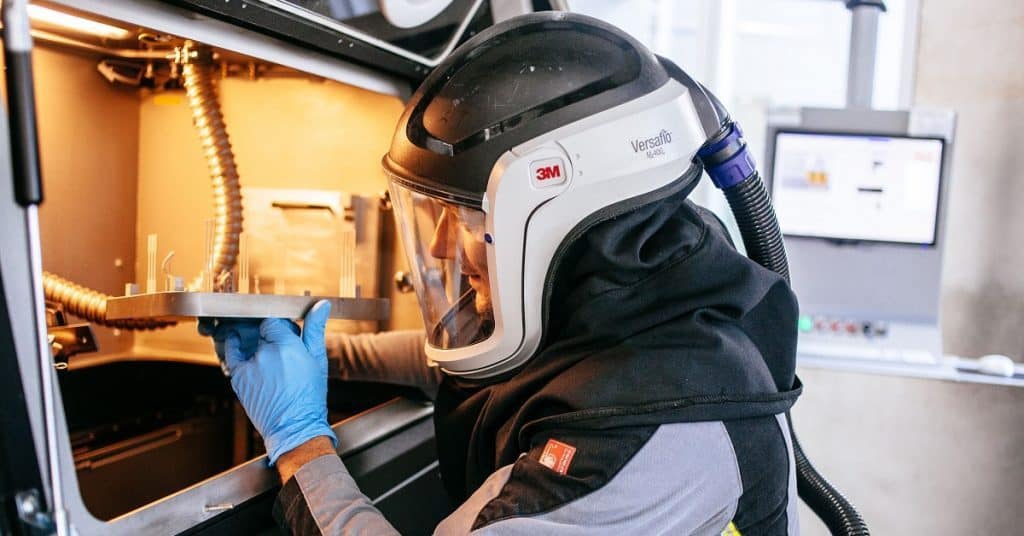
Metal
The more interesting things start to happen with more expensive printers that can use different types of materials. Some printers can use powdered material that is then heated to create a solid. This method is typically Direct Metal Laser Sintering (DMLS) and one of the best applications of this is using titanium. This is layered on in powder then a laser is used to sinter it together. Titanium has a similar tensile strength to steel (sometimes much higher depending on the alloy) but it is considerably lighter. This makes it widely used in the aerospace industry, and this industry has embraced 3D printing allowing them to print any part they need on demand. GE Aviation actually printed 35,000 fuel injectors for its LEAP jet engine.
Exotic Materials
3D printing is even expanding into far more exotic materials and industries. The medical industry has started to produce living parts such as bone, muscle and cartilage which have all been successfully tested on animals. Currently, there is research an artificial heart, kidney, and liver structures, as well as other major organs.Possibly even more interesting is the research being carried out on printing molecules on demand. Scientists could have access to any molecule in the world on demand whenever they need.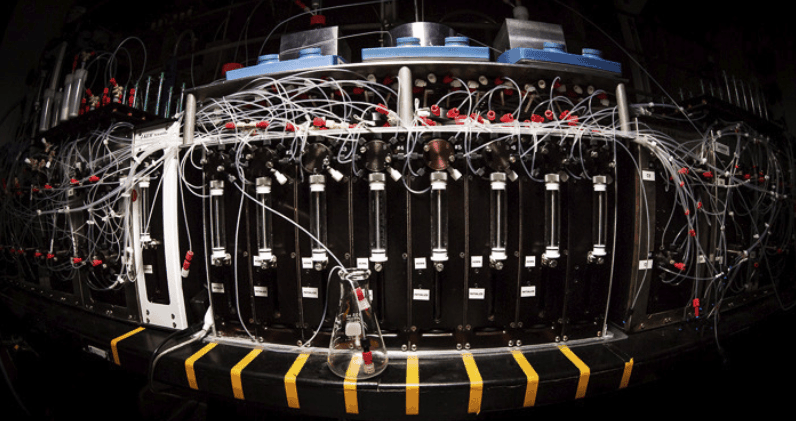

I am James, a UK-based tech enthusiast and the Editor and Owner of Mighty Gadget, which I’ve proudly run since 2007. Passionate about all things technology, my expertise spans from computers and networking to mobile, wearables, and smart home devices.
As a fitness fanatic who loves running and cycling, I also have a keen interest in fitness-related technology, and I take every opportunity to cover this niche on my blog. My diverse interests allow me to bring a unique perspective to tech blogging, merging lifestyle, fitness, and the latest tech trends.
In my academic pursuits, I earned a BSc in Information Systems Design from UCLAN, before advancing my learning with a Master’s Degree in Computing.
I’m proud to share that Vuelio has consistently ranked Mighty Gadget as one of the top technology blogs in the UK. With my dedication to technology and drive to share my insights, I aim to continue providing my readers with engaging and informative content.
I work directly with the companies he reviews products for or their chosen PR agency.
For Social Media, you can find me on: