Apple iPhone XR, XS, XS Max launched at £749, £999 & £1,099 – Top price £1,449.00!
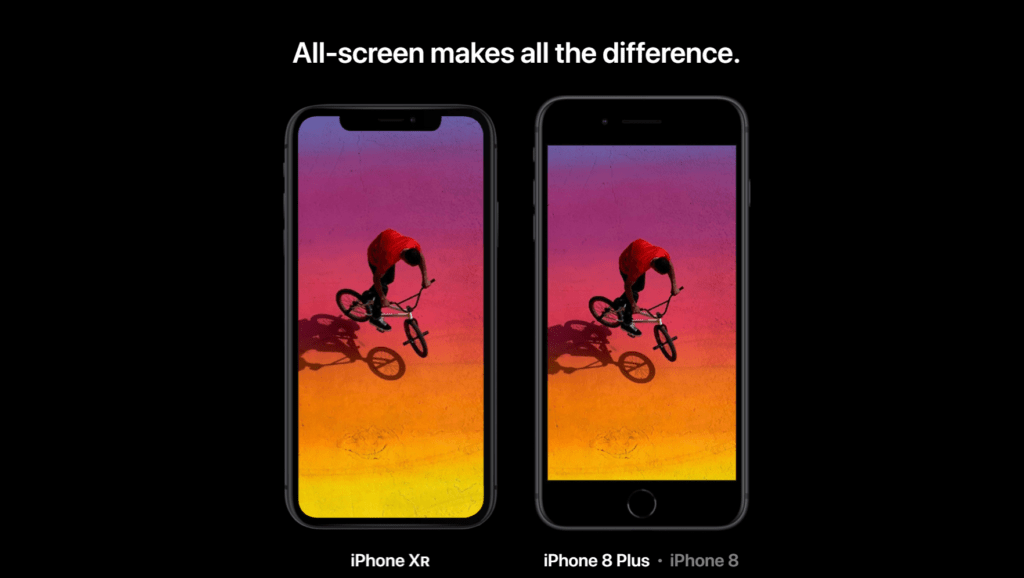
 The other main differences with the XR include IP67 water and dust protection, instead of the improved IP68 rating and also no 3D Touch — instead, Apple is offering a new Haptic touch system, that offers similar feedback to the buttonless MacBook Pro trackpad.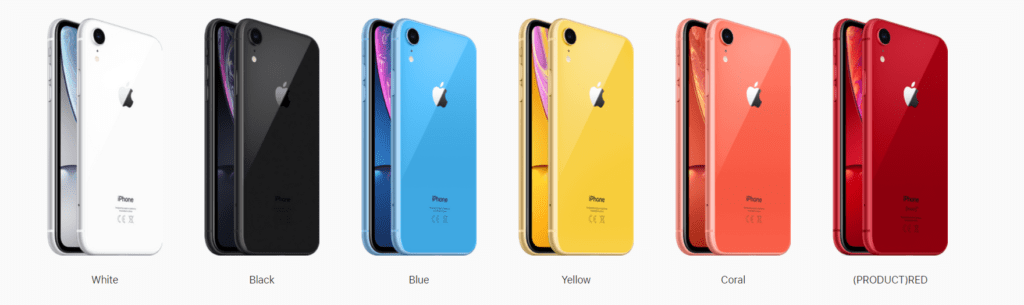
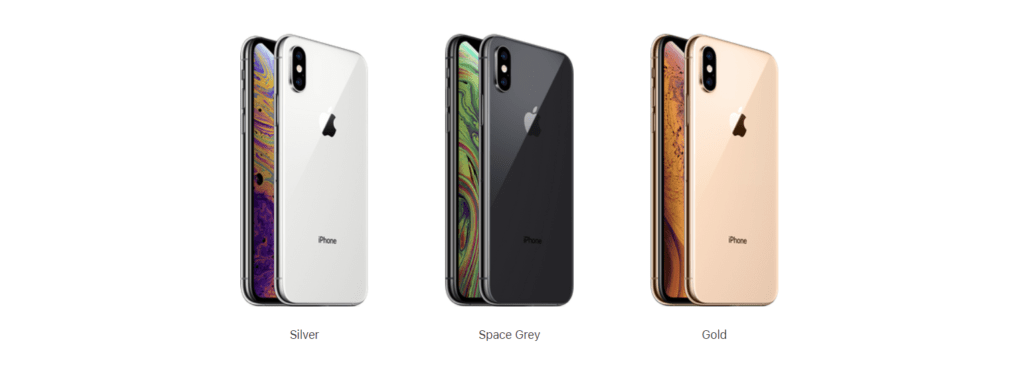
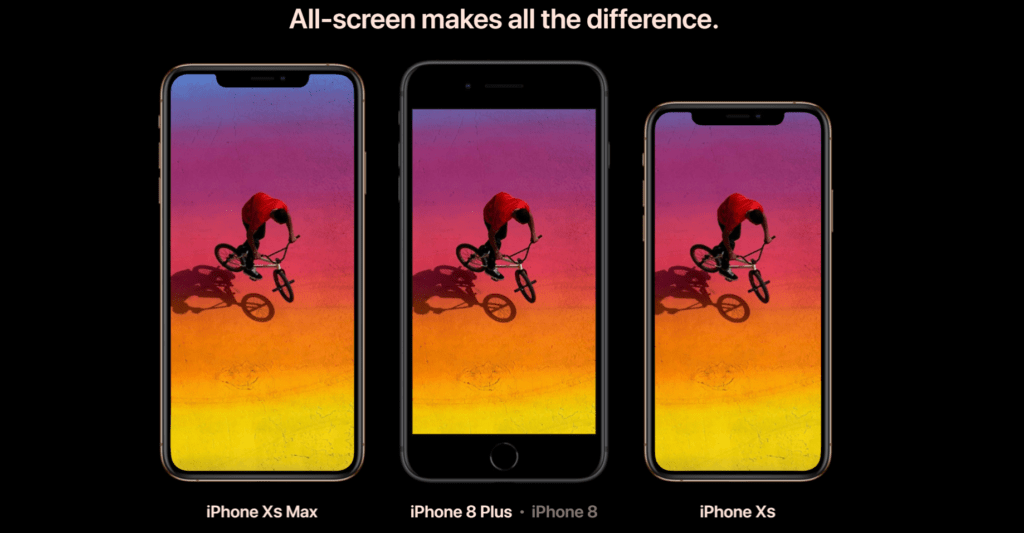
 The XS and XS max models use an OLED panel and are touted as Super Retina. The OLED panel allows the phones to offer a million-to-one contrast ratio with remarkable brightness and true blacks while showing 60 per cent greater dynamic range in HDR photos. iPhone Xs Max delivers a more immersive experience with over 3 million pixels for videos, movies and games, offering the largest display ever in an iPhone in a footprint similar to iPhone 8 Plus.
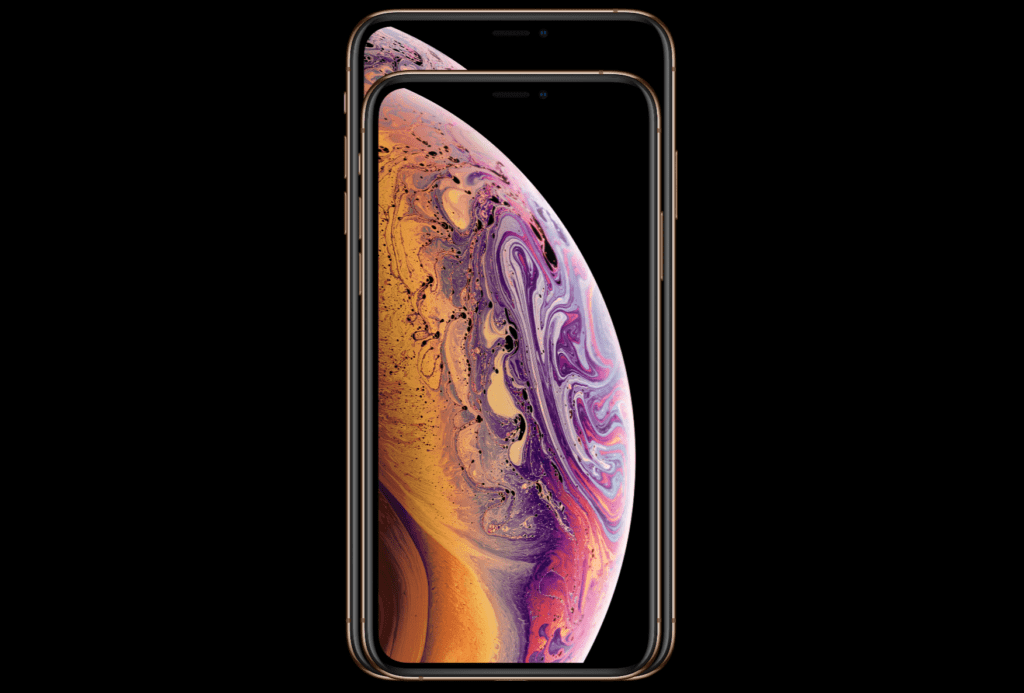 Both the XS and XS Max have the same resolution of 2436×1125 with the XS being 5.8-inches and the Max being a behemoth 6.5-inch which makes it one of the largest phones on the market. It is an interesting move considering Apple stuck with the small form factor for so long while Android phones got constantly bigger.
A12 Bionic SoC
As usual, this year sees a new SoC, Apple develop their own rather than use Qualcomm or HiSilicon and they have had a public falling out with Qualcomm so they seem to be making a point of how great this chip is.The new chip is the industry’s first 7nm SoC to ship, whereas the Kirin 980 was the first 7nm to be announced. Details of the SoC are a little slim but it is a 6-core SoC with 2 big cores and 4 little, in comparison the Kirin 980 has 2 big, 2 medium and 4 little. Apple claims a 15% increase in the performance and a 40% reduction in power on the performance cores and 50% on the low-power cores.The latest GPU is a 4 core design, up from 3 cores in the A11 with Apple is saying it is up to 50% faster than the A11’s GPU.Similar to the Kirin chips apple have a dedicated AI processor. The latest neural engine is described as an 8-core design, up from 2 cores for the A11. In turn, peak performance has jumped from 600 GigaOPS to 5 TeraOPS, an increase of over 8x.Cameras
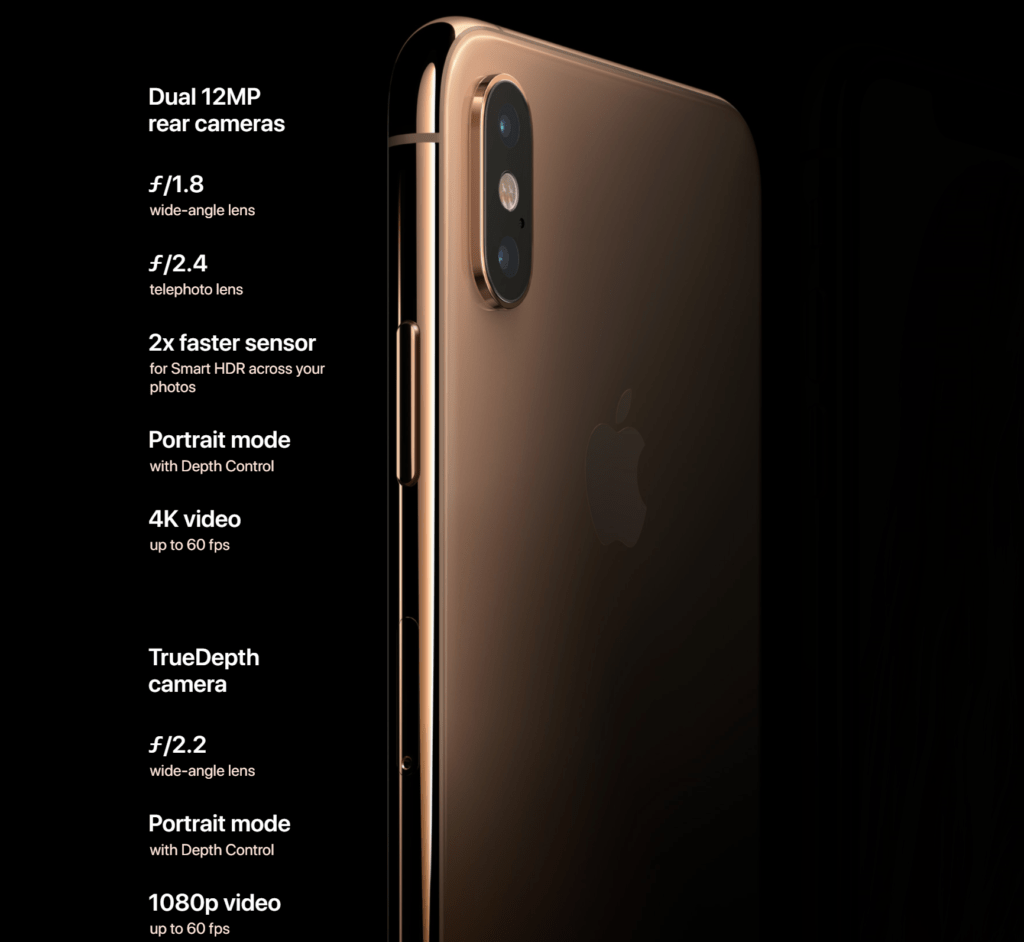 The XS models use a dual rear camera set up with 12MP sensors for each the standard (wide-angle) and telephoto lenses, with an f/1.8 and f/2.4 aperture. Apple is now using a 1.4µm pixel pitch sensor – up from 1.22 µm on the iPhone X which will give you improved light per pixel.The XR drops a lens but remains largely the same as the rest of the features.
Pricing and Availability.
Pre-order 19.10 Available 26.10The XR64GB – £749128GB – £799256GB -£849The XS:64GB – £999256GB – £1149512GB -£1349The XS Max:64GB – £1099256GB – £1249512GB -£1449
I am James, a UK-based tech enthusiast and the Editor and Owner of Mighty Gadget, which I’ve proudly run since 2007. Passionate about all things technology, my expertise spans from computers and networking to mobile, wearables, and smart home devices.
As a fitness fanatic who loves running and cycling, I also have a keen interest in fitness-related technology, and I take every opportunity to cover this niche on my blog. My diverse interests allow me to bring a unique perspective to tech blogging, merging lifestyle, fitness, and the latest tech trends.
In my academic pursuits, I earned a BSc in Information Systems Design from UCLAN, before advancing my learning with a Master’s Degree in Computing.
I’m proud to share that Vuelio has consistently ranked Mighty Gadget as one of the top technology blogs in the UK. With my dedication to technology and drive to share my insights, I aim to continue providing my readers with engaging and informative content.
I work directly with the companies he reviews products for or their chosen PR agency.
For Social Media, you can find me on: