Redmi Note 15 Pro Plus Review
I reviewed the Redmi Note 14 Pro Plus 5G almost a year ago and thought it was excellent value for money. The Redmi Note 15 Pro+ arrives as an incremental update rather than a revolutionary redesign, bringing a larger display, bigger battery, and updated chipset whilst maintaining the camera system largely unchanged. In the competitive mid-range segment, the question becomes whether these refinements justify the price premium over the previous generation.
Key Specification Changes
The differences between generations are modest but meaningful. The Note 15 Pro+ features a 6.83-inch display up from 6.67 inches, with peak brightness increased to 3200 nits from 3000 nits. The Snapdragon 7s Gen 4 replaces the 7s Gen 3, offering slightly better single-core performance. The selfie camera jumps from 20MP to 32MP, and the battery capacity increases dramatically from 5110mAh to 6500mAh using silicon-carbon technology. However, charging speed drops from 120W to 100W, and the phone ships with Android 15 and promises four major OS upgrades compared to three on the previous model.
Storage remains UFS 2.2, which continues to lag behind competitors offering UFS 3.1 or UFS 4.0 at similar prices. RAM and storage configurations match the previous generation at 8GB/256GB, 12GB/256GB, and 12GB/512GB.
Design and Durability
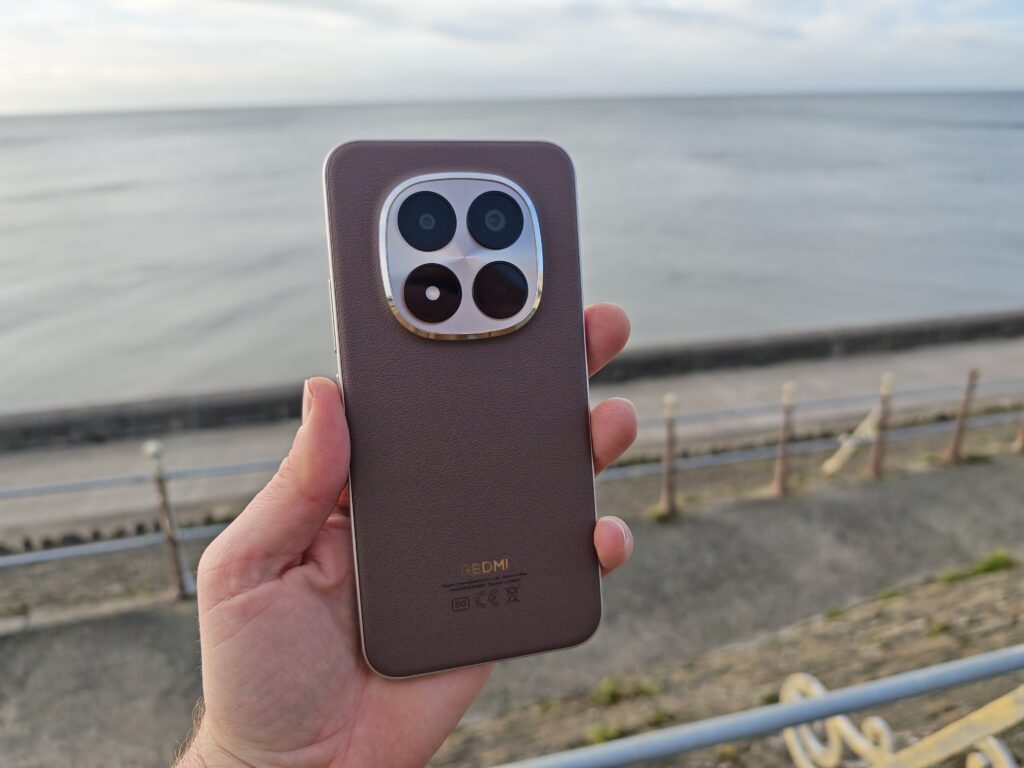
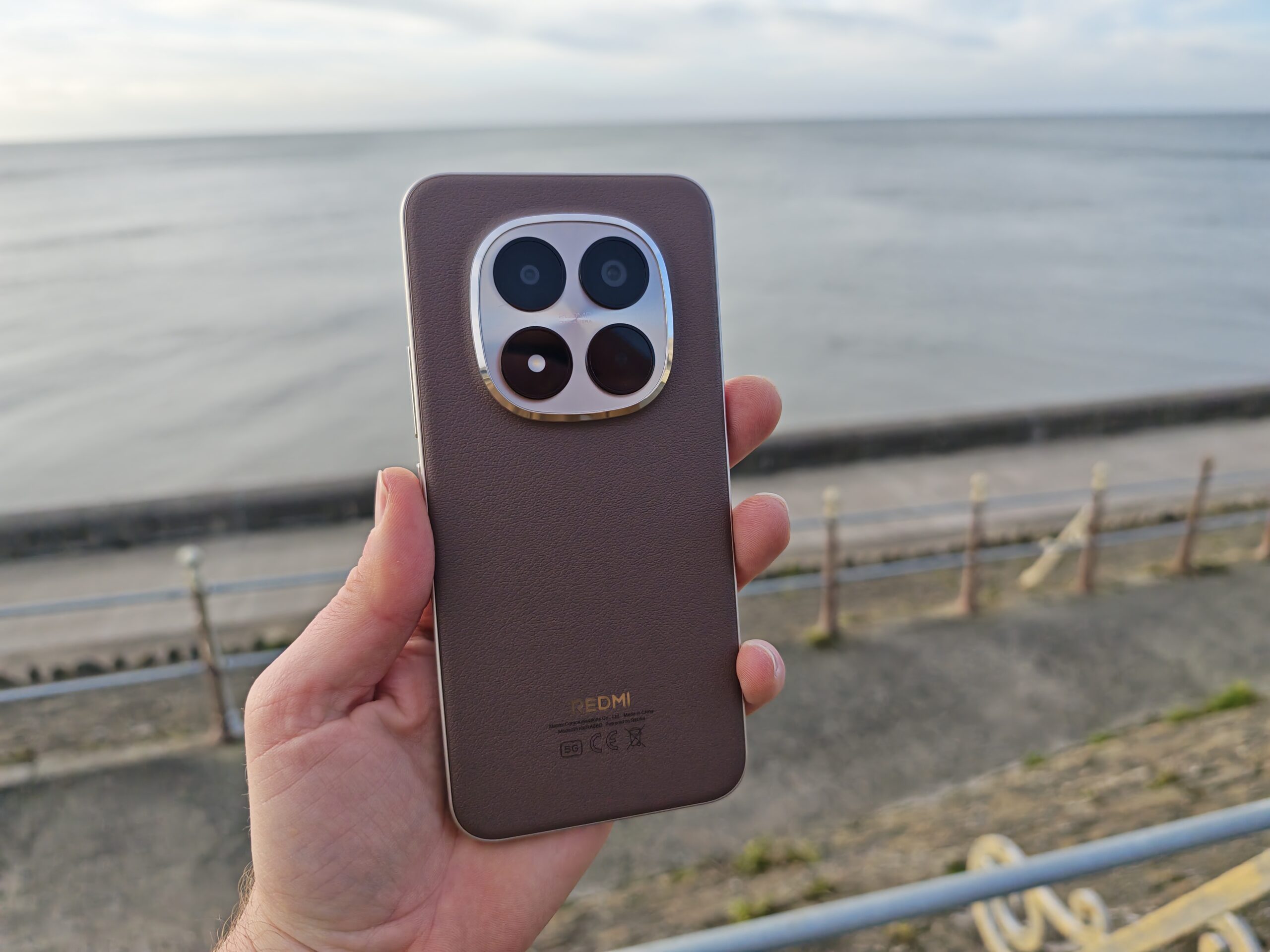
The Redmi Note 15 Pro+ does not look like a rugged device at first glance. At 8.19-8.47mm thick and 207g, it maintains a slim profile with subtle curves and refined finishing. The Mocha Brown variant features faux leather that resists fingerprints better than glass, whilst Black and Glacier Blue variants use traditional glass backs. The rounded square camera island remains a signature Redmi Note design element.

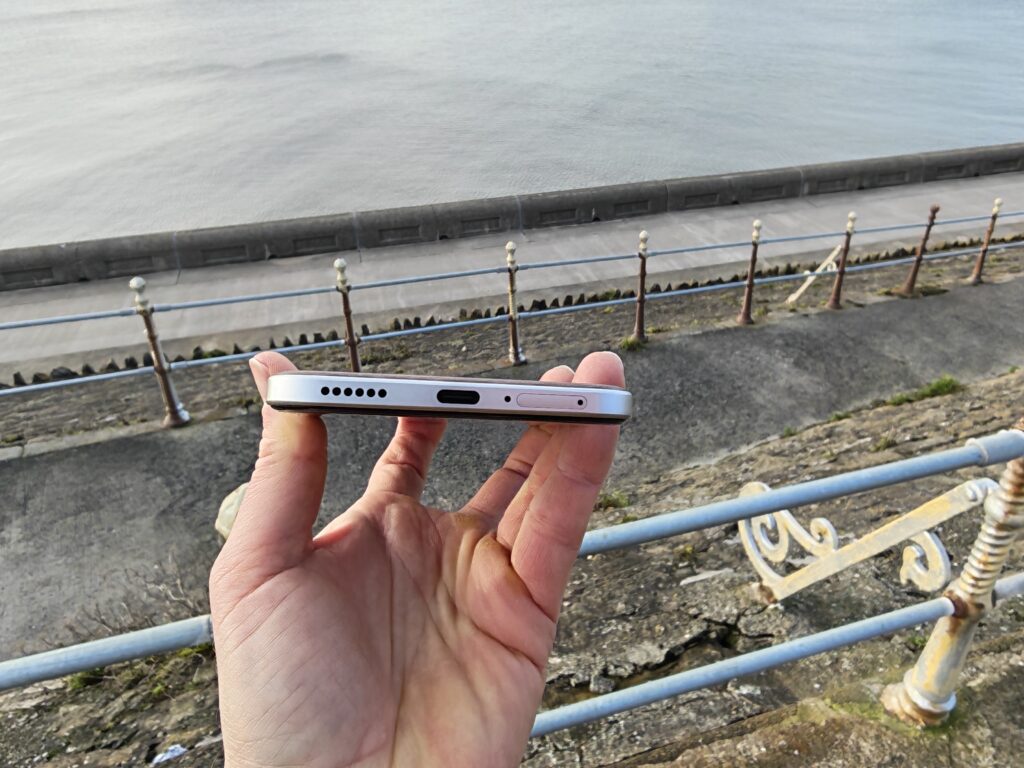
Where this phone genuinely distinguishes itself is durability. The simultaneous IP66, IP68, and IP69K ratings are exceptional for this price category. IP69K certification means the phone can handle high-pressure, high-temperature water exposure typically reserved for industrial equipment. The device is rated for 2.5-metre drops onto granite and includes what Xiaomi calls Titan Durability with a strengthened motherboard and midframe. Gorilla Glass Victus 2 protects the front and back.
Display Quality
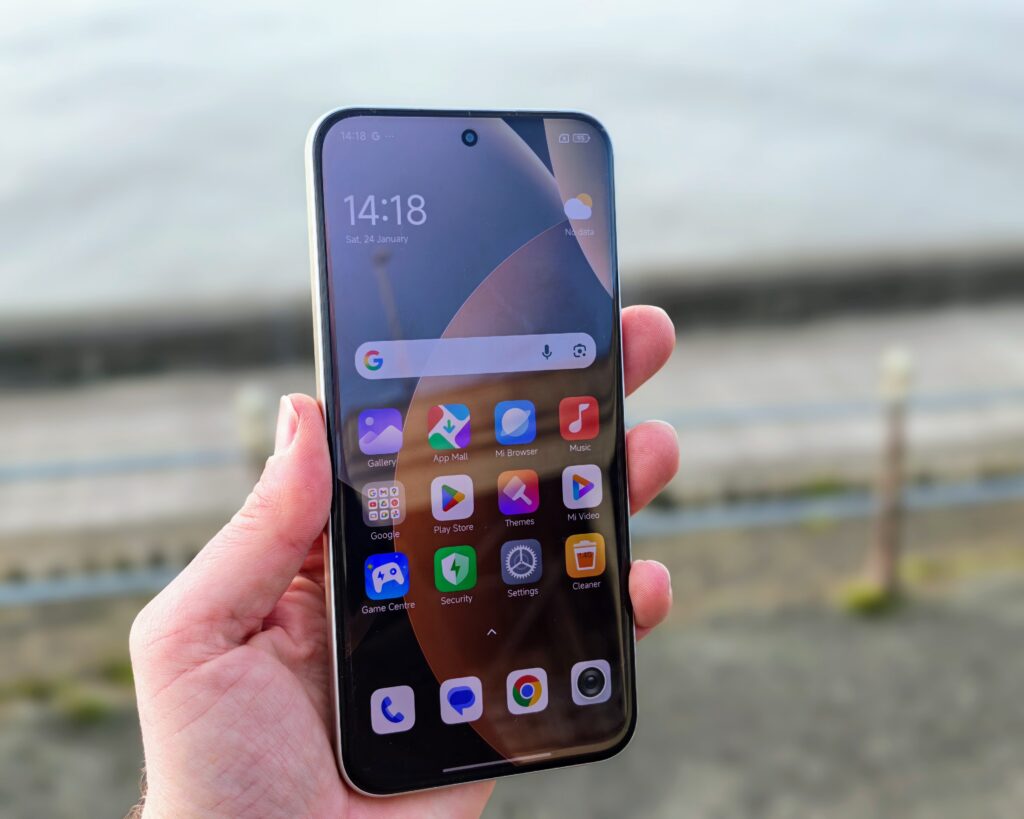
The 6.83-inch AMOLED display represents one of the phone’s strongest features. The 1.5K resolution at 2772 x 1280 pixels delivers approximately 447 pixels per inch, striking a sensible balance between sharpness and power efficiency. The panel supports 68.7 billion colours with 12-bit colour depth, exceeding most competitors at this price.
Peak brightness at 3200 nits ensures excellent outdoor visibility even under direct sunlight. HDR10+ and Dolby Vision support make streaming content look genuinely impressive. The high-frequency PWM dimming at 3840Hz reduces eye strain at low brightness, with TUV Rheinland certifications for flicker-free operation.
The 120Hz refresh rate delivers smooth animations, though the panel relies on software switching rather than LTPO hardware for refresh rate control. In practice, this appears to have minimal impact on battery life given the substantial battery capacity.
Camera Performance
The camera system centres around a 200MP main sensor with optical image stabilisation, paired with an 8MP ultrawide and 2MP macro. The upgraded 32MP front camera represents a meaningful improvement for selfies and video calls.
In good lighting, the main camera performs very well with sharp images, reliable colour reproduction, and natural processing. The 2x zoom mode through in-sensor cropping delivers particularly good results for close-up subjects. Low-light performance is competent but not flagship-level, with automatic night mode detection working reasonably well outdoors but struggling indoors with artificial lighting. The ultrawide camera shows noticeable noise reduction in dim conditions.
Beyond 2x zoom, quality drops noticeably due to digital cropping without a dedicated telephoto lens. Video recording tops out at 4K 30fps without stabilisation, with Steadyshot mode limited to 1080p. Portrait mode works reliably though the aperture adjustment feature tends to reset between sessions.



Performance and Gaming
The Snapdragon 7s Gen 4 delivers solid everyday performance without topping benchmark charts. Apps open quickly, multitasking feels smooth, and animations remain consistent during extended sessions. In Geekbench testing, I recorded 1250 single-core and 3229 multi-core scores, marginally better than the previous generation’s 1174/3270. Other publications report AnTuTu V10 scores around 815,000 points, though I was unable to verify this myself due to upload restrictions.
Gaming performance exceeds expectations for a durability-focused device. Genshin Impact runs smoothly on medium graphics at 60fps, though high settings invite frame drops. CarX Drift 2 achieves 120fps on medium settings. Demanding titles like Zenless Zone Zero default to lowest graphics settings. The phone warms up under sustained loads but does not throttle aggressively, maintaining stable frame rates.
The UFS 2.2 storage represents the biggest performance compromise. You will not notice this in everyday tasks, but large app installations and heavy multitasking feel slightly slower than devices using UFS 3.1 or newer standards.
Software Experience
HyperOS 2 built on Android 15 represents a meaningful improvement over older MIUI builds. Animations feel smoother, transitions are better timed, and the system appears more cohesive. However, Xiaomi has not abandoned preinstalled apps and advertisements completely. Out of the box, the phone arrives with bloatware including lock screen ads that require manual cleanup during initial setup.
Once trimmed back, HyperOS 2 becomes far more pleasant. AI features integrate naturally with Google Gemini, and tools like Circle to Search add genuine utility. Xiaomi’s own AI features feel more like rebranding of existing functionality than genuinely new capabilities, though the Dynamic Wallpapers are enjoyable.
The promise of four major Android upgrades means software support through Android 19, providing reasonable longevity compared to three upgrades on the previous generation.
Battery Life and Charging
The 6500mAh silicon-carbon battery delivers genuinely impressive endurance. I comfortably achieved a day and a half with moderate use, with some scenarios approaching two days. PC Mark’s Battery Benchmark recorded approximately 16 hours and 40 minutes of screen-on time at 50% brightness with airplane mode enabled.
Gaming drains battery more aggressively, with an hour of active gameplay consuming approximately 11% and 30 minutes of resource downloading taking around 5%. Heavy gaming sessions should still leave charge to spare at day’s end.
Charging speeds reduced from 120W to 100W, though this remains impressively fast. With boost mode enabled, the phone charges from empty to full in approximately 63 minutes, or 77 minutes in regular mode. The included 100W charger ensures immediate access to these speeds, though some markets may ship without it. Standard PPS charging using third-party chargers delivers competitive results at approximately 84 minutes. The phone supports 22.5W reverse wired charging for accessories.
Price and Verdict
The Redmi Note 15 Pro+ starts at £429 for 8GB/256GB in the UK, compared to £399 for last year’s model at launch. The previous generation currently sells for just £260, creating a compelling value proposition. A promotional period ending 31st January offers the Note 15 Pro+ for £349.
The £169 difference between the new model at RRP and the discounted previous generation is substantial. The Note 15 Pro+ offers genuine improvements in battery life, display size, software longevity, and durability ratings, but budget-conscious buyers might find the Note 14 Pro+ represents better value despite receiving only two more major Android updates.
The Redmi Note 15 Pro+ excels at being a reliable, long-lasting phone that fades into the background. The extreme durability ratings provide genuine peace of mind, the massive battery eliminates charging anxiety, and the efficient hardware should age gracefully. Trade-offs include lagging storage speeds, limited camera versatility without a telephoto lens, missing 4K video stabilisation, and software that benefits from manual bloatware removal.
For those who value reliability over novelty and longevity over flash, the Note 15 Pro+ is compelling. However, the incremental upgrade makes the older model look exceptionally appealing at £260. For those keeping phones three years or more, the additional software support may justify the premium. For those upgrading more frequently, the Note 14 Pro+ at current pricing represents exceptional value. The Note 15 Pro+ is best suited for people who want a phone built for real-world use, long days, and less worry.